

Root canals have long been associated with fear. For many people, just hearing the words “root canal” triggers anxiety about pain, long procedures, and uncomfortable recovery. These fears have been passed down through stories from friends, family, or even outdated portrayals in movies and television.
However, modern dentistry has changed dramatically. Today’s root canal procedures are far more comfortable, precise, and efficient than those performed decades ago. Advances in technology, improved anaesthesia, and better treatment techniques have transformed the experience entirely.
Unfortunately, the reputation has not caught up with reality. Many people still delay treatment because they believe the procedure itself will be painful. In reality, the pain people associate with root canals usually comes from the infection in the tooth, not from the treatment designed to fix it.
Understanding how modern endodontic care works can help patients approach treatment with confidence instead of fear. For patients seeking Dental Treatment in Sydney, this shift in understanding can make the difference between saving a natural tooth and losing it unnecessarily.
Where the Fear Comes From – and Why It’s Outdated
The fear surrounding root canals largely originates from older dental practices. Decades ago, dental tools were less advanced, anaesthesia techniques were less refined, and treatment methods were more time-consuming. Because of this, patients sometimes experienced discomfort during procedures in the past. Those experiences became stories that circulated widely, shaping public perception for generations.
Another reason root canals developed a negative reputation is a simple misunderstanding. Many patients confuse the pain of an infected tooth with the treatment meant to remove the infection.
Modern dentistry has addressed these issues with significant technological improvements. Today, root canal therapy is designed to be comfortable, predictable, and efficient. In fact, many patients report that the experience feels similar to receiving a dental filling rather than undergoing a complex surgical procedure.
Despite these improvements, outdated beliefs continue to influence how people think about root canals.
What Actually Causes the Pain – the Infection, Not the Procedure
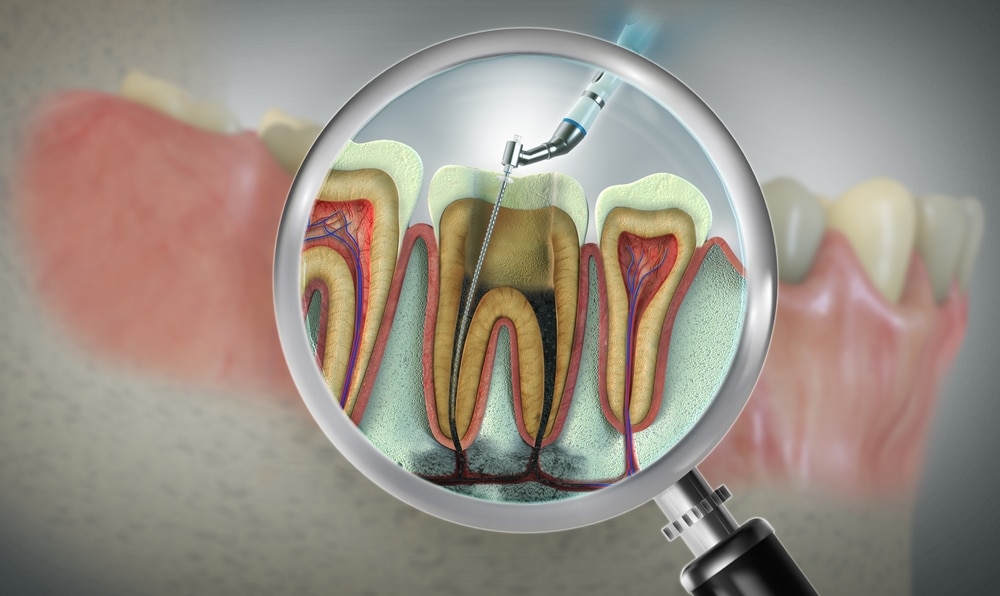
When a dentist recommends a root canal, it’s usually because the pulp inside the tooth has become infected or inflamed. The pulp is the soft tissue containing nerves and blood vessels at the centre of the tooth.
When bacteria reach this area through deep decay, cracks, or trauma, the infection can cause intense tooth pain, swelling, and sensitivity. This infection is what creates the discomfort that patients feel before treatment.
The purpose of a root canal is to remove the infected tissue, clean the inside of the tooth, and seal it to prevent further infection. Once the infected pulp is removed, the source of pain is eliminated.
Modern root canal procedures are performed using local anaesthesia that fully numbs the tooth and surrounding tissues. Because of this, most patients feel little or no pain during the procedure itself.
In other words, the treatment is designed to relieve pain, not cause it.
The Real Risk: Avoiding Treatment
Ironically, the biggest risk associated with root canals is not undergoing the treatment, it’s avoiding it.
When an infected tooth is left untreated, the bacteria can continue spreading deeper into the tooth and surrounding tissues. This can lead to complications such as dental abscesses, bone loss around the tooth, and widespread oral infection.
The infection may also spread into nearby structures, making the condition far more complex and difficult to treat. In many cases, delaying treatment eventually results in the need for tooth extraction.
Once a tooth is removed, replacing it may require dental implants, bridges, or dentures, which are often more complex and expensive solutions.
Seeking timely Dental Treatment in Sydney can prevent these complications and allow dentists to save the natural tooth before the damage becomes irreversible.
What Modern Root Canal Dental Treatment in Sydney Actually Involves
One reason patients feel anxious about root canals is simply not knowing what the procedure involves. Understanding the steps can make the experience feel far less intimidating.
A modern root canal typically follows a straightforward process. First, the dentist performs a thorough examination and takes digital X-rays to determine the extent of infection. This helps identify the exact location of the damaged pulp and any affected root canals. Next, local anaesthesia is administered to numb the tooth completely. This ensures that the procedure remains comfortable for the patient.
Once the tooth is numb, the dentist creates a small opening in the crown of the tooth. Through this opening, the infected pulp tissue is removed using specialised instruments. The inside of the tooth is then carefully cleaned and disinfected to remove bacteria and debris. After cleaning, the root canals are shaped and filled with a biocompatible material designed to seal the space and prevent reinfection.
Finally, the tooth is sealed and often restored with a crown to strengthen and protect it.
For patients receiving Dental Treatment in Sydney, these modern techniques allow dentists to perform root canals with greater precision and improved comfort compared to older methods.
Recovery Expectations and Pain Management Reality
Another misconception about root canals is that recovery is long and painful.
In reality, most patients experience only mild discomfort for a short period after the procedure. This sensitivity typically lasts one or two days and can usually be managed with over-the-counter pain medication.
Patients can often return to their normal daily activities the following day.
The treated tooth may feel slightly sensitive when chewing for a short time, but this usually resolves quickly as the surrounding tissues heal.
Compared with many other dental procedures, root canal recovery is relatively straightforward. In fact, the relief from eliminating the infection often makes patients feel better almost immediately.
Modern endodontic care is designed not only to treat the problem but also to ensure that the recovery process is as smooth as possible.
Long-Term Outcomes vs Extraction Alternatives
When deciding how to treat a severely infected tooth, some patients assume that extraction is the easier option.
However, saving the natural tooth is usually the best long-term solution whenever possible.
Root canal therapy allows patients to keep their original tooth structure while eliminating the infection. With proper care and restoration, a root-canal-treated tooth can last for many years or even decades. Clinical data show that root canal treatments have long-term success rates exceeding 90% when properly performed and maintained.
Extraction, on the other hand, removes the problem tooth but creates new challenges. Missing teeth can cause neighbouring teeth to shift, affect chewing function, and lead to bone loss in the jaw.
Replacing an extracted tooth often requires implants or bridges, which can involve additional procedures and higher long-term costs.
For many patients, preserving the natural tooth through root canal therapy is the healthier and more practical option.
Conclusion – Fear of Root Canal Is Costing People Healthy Teeth
Root canals continue to suffer from a reputation shaped by outdated information and misunderstanding.
The reality is very different. Modern dentistry has transformed root canal therapy into a safe, effective, and relatively comfortable procedure designed to eliminate infection and preserve natural teeth. The pain people fear usually comes from the infection itself, not from the treatment that removes it.
Avoiding treatment due to fear can lead to more serious dental problems, including tooth loss and complicated restorative procedures. For patients seeking Dental Treatment in Sydney, understanding the truth about root canals can make it easier to choose the treatment that protects their oral health for the long term.
Saving a natural tooth is often the best outcome, and modern root canal therapy makes that possible.
FAQs
1. Is a root canal really painful?
No. Modern root canal treatment uses effective local anaesthesia, making the procedure similar in comfort to receiving a dental filling.
2. What causes the pain before a root canal?
The pain usually comes from infection or inflammation in the tooth pulp, not from the treatment itself.
3. How long does recovery take after a root canal?
Most patients experience mild sensitivity for 1–3 days and can return to normal activities within a day.
4. Is it better to extract a tooth instead of getting a root canal?
In most cases, saving the natural tooth with a root canal is preferable because it maintains normal chewing function and prevents shifting of nearby teeth.
