

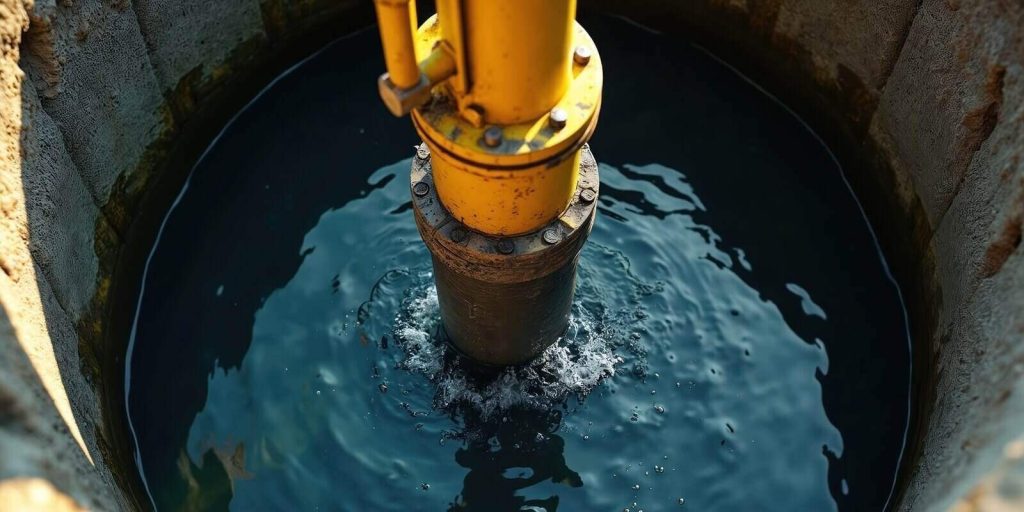
For households and businesses that depend on private wells, the quality of the water flowing from the tap and the reliability of the system delivering it are inseparable concerns. At the center of that system sits a component many property owners rarely think about until something goes wrong, namely the submersible well water pump. Over the past several years, advancements in materials science, motor engineering, and control technology have transformed what was once a relatively simple mechanical device into a sophisticated piece of equipment that directly influences both the cleanliness of the water and the dependability of the supply. Understanding how these modern designs work and why they matter is essential for anyone planning a new well installation or considering an upgrade to an existing system.
The Evolution of the Submersible Well Water Pump
The submersible well water pump has come a long way from its earliest iterations. Older models were often built with cast iron and basic bronze components that performed well enough in the short term but were prone to corrosion, sediment damage, and premature motor failure. As groundwater conditions vary widely across regions, those older designs frequently struggled with hard water, high mineral content, and fluctuating water tables.
Modern submersible well water pump designs address these limitations directly. Manufacturers now use premium stainless steel housings, engineered thermoplastic impellers, and sealed motor assemblies that resist the most common causes of breakdown. The result is equipment that can operate continuously in challenging conditions while maintaining the kind of water purity that homeowners expect from a private well. This shift in engineering philosophy is one of the most important reasons why today’s systems deliver better performance than their predecessors.
Cleaner Water Through Better Materials
Water quality begins with what the pump itself is made of. A submersible well water pump operates entirely underwater, which means every component in contact with the water can potentially affect its taste, clarity, and safety. Older materials were more likely to shed trace amounts of metal or develop rough surfaces that trapped sediment and encouraged bacterial growth.
Current designs rely on food-grade stainless steel, sealed bearings, and non-toxic polymer components that remain inert over many years of use. These materials do not react with minerals in the water, do not corrode under normal groundwater conditions, and do not contribute contaminants to the supply. For households concerned about the purity of their drinking water, this represents a meaningful upgrade. A modern submersible well water pump essentially becomes a neutral participant in the water system rather than a potential source of contamination, which has significant implications for long-term health and peace of mind.
Enhanced Filtration and Sediment Management
Groundwater is rarely perfectly clean at the source. Sand, silt, and fine sediment are common in many wells, and these particles can cause serious wear on pump components while also affecting water clarity at the tap. Older pumps often lacked effective strategies for managing this kind of debris, which contributed to both shortened equipment life and inconsistent water quality.
Today’s submersible well water pump designs incorporate built-in screening, floating impeller technology, and abrasion-resistant construction that allow them to handle sediment far more gracefully. Floating impellers, in particular, are designed to shift position slightly as sand passes through, preventing the grinding wear that used to destroy fixed-impeller models. This innovation extends pump life dramatically and keeps sediment from reaching household fixtures, which in turn reduces strain on downstream filtration equipment and helps maintain consistent water pressure throughout the home.
Improved Motor Technology and Energy Efficiency
The motor is the heart of any submersible well water pump, and motor design has advanced considerably in recent years. Traditional single-speed motors ran at a constant output regardless of actual demand, which wasted energy and created unnecessary wear on the entire system. Modern pumps increasingly use permanent magnet motors and variable frequency drives that adjust output in real time based on water demand.
This technology improves reliability in several ways. By matching motor speed to actual usage, the pump avoids the rapid start-and-stop cycles that historically shortened equipment life. Reduced cycling means lower mechanical stress, cooler operating temperatures, and less wear on bearings and seals. It also translates to meaningful energy savings, which is particularly valuable as electricity costs continue to climb. A well-designed variable speed submersible well water pump can reduce energy consumption by a substantial margin compared to older fixed-speed models, all while delivering steadier water pressure to every fixture in the home.
Smart Controls and Real-Time Monitoring
One of the most significant developments in submersible well water pump technology is the integration of intelligent control systems. Modern pumps can now be paired with control panels that monitor voltage, current draw, water flow, temperature, and pressure on a continuous basis. If any of these parameters drift outside of safe ranges, the system can automatically shut down to prevent damage.
These controls protect against common failure modes such as dry running, over-pressurization, and electrical faults. In the past, a pump that lost its water supply due to a dropping water table might continue running until the motor burned out. Today’s systems detect the problem almost immediately and respond before any damage occurs. Some advanced models even support remote monitoring through mobile applications, allowing homeowners and service professionals to check system status from anywhere. This kind of visibility transforms routine maintenance from a reactive process into a proactive one, which directly improves long-term reliability.
Sealed Designs That Resist Contamination
Water quality concerns are not limited to what enters the pump at the bottom of the well. The pump itself must be sealed against contamination from lubricants, cooling fluids, and external groundwater intrusion. Older designs sometimes used oil-filled motor chambers that, if compromised, could release small amounts of oil into the well.
Contemporary submersible well water pump designs use water-lubricated motors with fully sealed construction that eliminates this risk entirely. These sealed assemblies also resist the gradual ingress of sediment and dissolved minerals that can cause internal components to fail. By keeping the mechanical and electrical components fully isolated from the water supply, modern pumps help preserve the integrity of the well itself, which is essential for households relying on groundwater for drinking, cooking, and bathing.
Better Performance Under Variable Well Conditions
Wells are living systems. Water tables rise and fall with seasonal rainfall, nearby usage, and long-term climate patterns. A submersible well water pump needs to perform reliably across this range of conditions, not just under ideal circumstances. Older pumps often struggled when water levels dropped because they lacked protection against dry running and could not adjust to reduced inflow.
Modern designs incorporate sensors and control logic that allow the pump to adapt to changing conditions. If the water level drops too low, the pump can reduce its output, pause operation, or alert the homeowner before damage occurs. When conditions return to normal, the system resumes automatically. This adaptive behavior is particularly valuable for properties in regions where seasonal variability is common, and it significantly reduces the risk of unexpected service interruptions.
Longer Service Life and Lower Total Cost of Ownership
All of these improvements combine to produce equipment that lasts longer and costs less to operate over its useful life. A quality submersible well water pump installed under modern conditions can reasonably be expected to provide reliable service for many years, often well beyond the service life of older models. When maintenance is needed, the modular design of current systems makes diagnostic work and component replacement more straightforward, which reduces repair costs and minimizes downtime.
For homeowners, this translates into fewer emergency service calls, more predictable operating expenses, and greater confidence in the long-term reliability of their water supply. For property owners managing multiple wells or commercial installations, the improved reliability is even more valuable, since system downtime can have significant operational and financial consequences.
Conclusion
Modern submersible well water pump technology represents a meaningful leap forward for anyone who depends on a private well. Through better materials, smarter controls, more efficient motors, and thoughtful engineering, today’s pumps deliver cleaner water and more dependable service than ever before. These improvements are not simply incremental upgrades but genuine advancements that change how homeowners experience their water systems on a daily basis.
At Tri County Pumps, we have seen firsthand how the right submersible well water pump can transform a property’s water quality and reliability. Our team works closely with homeowners and businesses to select, install, and maintain systems that reflect the best of what current technology has to offer. Whether the goal is replacing an aging pump, upgrading to a more efficient model, or designing a new system from the ground up, our focus is always on delivering solutions that provide clean, consistent water for years to come. By choosing modern equipment and professional installation, property owners can enjoy the confidence that comes from knowing their well system is built to perform, built to last, and built to protect the quality of every drop that reaches their home.
