

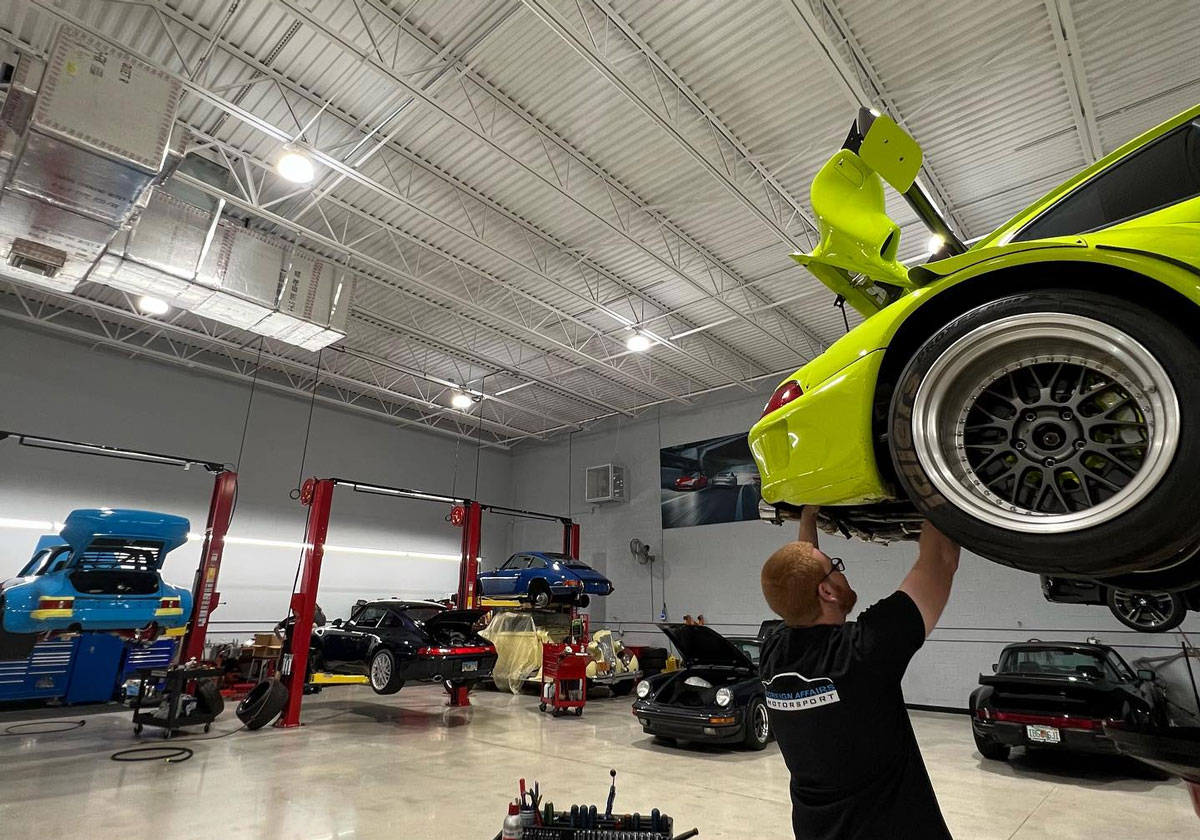
European cars are built with a strong focus on performance, comfort, safety, and engineering detail. Brands such as BMW, Mercedes-Benz, Audi, Volkswagen, Volvo, Mini, Peugeot, Skoda, and Land Rover often use advanced technology, precise components, and manufacturer-specific systems that need the right servicing approach. While general repairs may fix a basic issue, they may not always address the exact needs of a European vehicle.
For drivers looking for a reliable mechanic in Wallsend motorists can trust, it is important to understand why specialist servicing matters. European cars are different from many standard vehicles because they often require specific diagnostic tools, approved fluids, correct parts, and detailed service procedures. Without the right approach, small issues can be missed and may become expensive repairs later.
European Cars Are Built with More Complex Systems
European vehicles often come with advanced engine management systems, turbocharged engines, electronic parking brakes, adaptive suspension, dual-clutch transmissions, safety sensors, and computer-controlled modules. These systems are designed to improve driving comfort and performance, but they also need proper care.
A general repair approach may only focus on the visible problem. For example, if a warning light appears, a basic scan tool may show a fault code, but that code does not always explain the full issue. In a European car, one fault may be connected to several systems. A sensor issue may affect engine performance, fuel use, emissions, or transmission behaviour.
Specialist servicing looks deeper. It checks how the vehicle’s systems work together and follows the correct process for the make and model. This helps reduce guesswork and allows the mechanic to find the real cause of the problem, not just the surface symptom.
Correct Diagnostics Can Prevent Unnecessary Repairs
Modern European cars depend heavily on accurate diagnostics. A warning light, rough idle, poor acceleration, or electrical fault may not always be caused by the most obvious part. Replacing parts without proper testing can waste money and may not solve the issue.
An experienced Mechanic in Wallsend vehicle owners choose should have access to suitable diagnostic equipment and understand how to read live data, fault codes, service history, and system behaviour. This is especially important for European brands because many of them have model-specific software, electronic resets, and service procedures.
Good diagnostics help confirm whether the problem is mechanical, electrical, fluid-related, or sensor-related. This makes the repair more accurate and helps protect the vehicle from repeat faults.
European Vehicles Need the Right Parts and Fluids
One of the biggest differences between general repairs and specialist servicing is the use of correct parts and fluids. European cars are often sensitive to oil grade, coolant type, brake fluid, transmission fluid, filters, spark plugs, and brake components.
Using the wrong engine oil, for example, can affect lubrication, fuel economy, emissions systems, and engine life. Some European diesel engines need low-ash oil to protect the diesel particulate filter. Some automatic and dual-clutch transmissions require very specific fluids. Some brake systems need particular pad compounds to maintain stopping performance and reduce noise.
General repairs may focus on replacing a worn part, but specialist servicing checks whether the replacement part meets the vehicle’s requirements. This is important for safety, performance, warranty records, and long-term reliability.
Manufacturer Service Schedules Matter
European cars should be serviced according to manufacturer requirements, not just when something goes wrong. A proper service schedule helps protect the engine, transmission, brakes, cooling system, suspension, and electronics.
A general repair is often reactive. It fixes a problem after it has already appeared. Specialist servicing is more preventive. It checks key areas before they fail and follows the correct intervals for oil changes, filter replacements, brake fluid changes, coolant checks, belt inspections, and diagnostic scans.
A qualified Mechanic Wallsend drivers rely on should understand logbook servicing and the service requirements of different European brands. This helps keep the vehicle properly maintained and supports resale value by creating a clear service history.
Specialist Servicing Helps Protect Driving Performance
European cars are known for smooth handling, strong braking, quiet cabins, and responsive engines. These qualities depend on regular maintenance. Worn suspension bushes, old brake fluid, incorrect tyres, dirty filters, weak batteries, or low-quality parts can all affect the way the car feels on the road.
A specialist service does more than keep the vehicle running. It helps maintain the driving experience the car was designed to deliver. This includes checking the brakes, steering, suspension, wheel alignment, fluid condition, engine response, and electronic systems.
This is especially important for drivers who use their vehicle daily, travel longer distances, or drive in mixed conditions around Newcastle and the surrounding areas.
General Repairs Can Miss Brand-Specific Issues
Every European brand has common service points and known wear patterns. Some models may be more prone to cooling system leaks. Others may need closer attention to timing chains, turbo components, suspension bushes, electronic modules, or transmission servicing.
A mechanic who regularly works with European cars is more likely to recognise these patterns early. This can help prevent unnecessary damage and reduce the risk of repeat repairs. General repairs may still fix simple issues, but they may not always account for brand-specific maintenance needs.
FAQs
Do European cars really need specialist servicing?
Yes. European cars often use advanced systems, specific fluids, and brand-based service procedures. Specialist servicing helps maintain safety, performance, and reliability.
Can a general mechanic repair a European car?
A general mechanic may handle basic repairs, but European vehicles often need specific diagnostic tools, parts, fluids, and technical knowledge. Specialist experience is usually better for accurate servicing.
Why are correct fluids important in European vehicles?
Incorrect fluids can affect engine protection, braking performance, cooling efficiency, transmission operation, and emissions systems. European cars often require fluids that meet strict manufacturer standards.
Is specialist servicing more expensive?
It may cost more than a basic repair, but it can reduce long-term repair costs by preventing faults, avoiding incorrect parts, and detecting issues early.
How often should a European car be serviced?
You should follow the manufacturer’s service schedule. However, you should book an inspection sooner if you notice warning lights, unusual noises, leaks, poor braking, or changes in performance.
Conclusion
European cars need more than general repairs because they are built with precise systems, advanced electronics, specific fluids, and manufacturer-based service requirements. A basic repair may solve an immediate issue, but specialist servicing helps protect the whole vehicle.
Choosing the right Mechanic Wallsend car owners can trust helps ensure your European vehicle receives accurate diagnostics, suitable parts, proper servicing, and preventive care. This can protect safety, driving comfort, long-term reliability, and resale value.
