

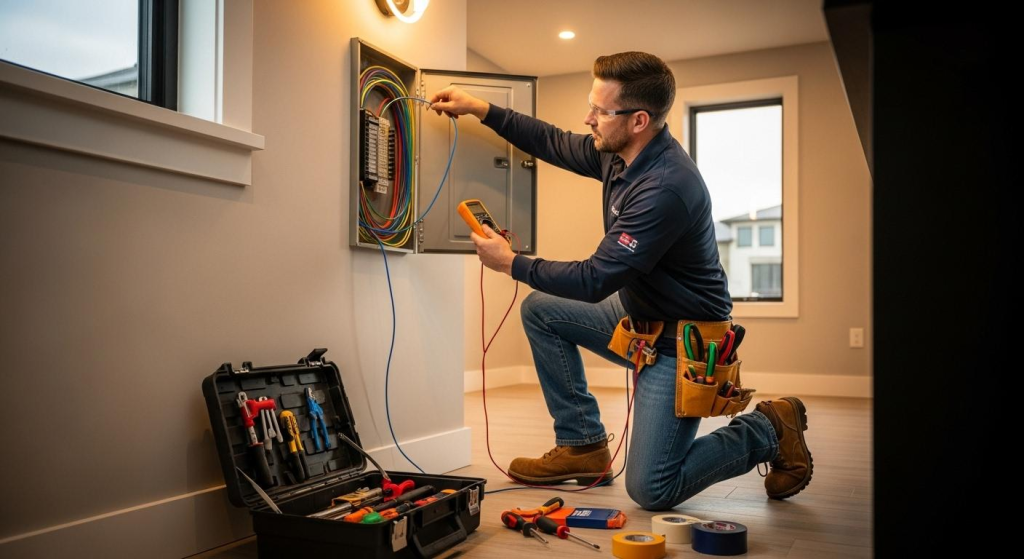
Electrical systems are the backbone of every modern home. From powering kitchen appliances and home offices to charging devices and supporting smart home technology, electricity plays a critical role in daily life. Yet, many homeowners rarely think about their electrical systems until something goes wrong.
Unfortunately, waiting for problems to appear can lead to expensive repairs, unexpected outages, and even safety hazards. Proactive electrical maintenance helps homeowners identify potential issues before they become major concerns, ensuring that homes remain safe, efficient, and ready to meet growing energy demands.
Understanding the Hidden Demands on Home Electrical Systems
The average household today uses significantly more electricity than homes built just a few decades ago. Modern families rely on multiple computers, entertainment systems, kitchen appliances, electric vehicles, and smart devices that constantly draw power.
Many older electrical systems were not designed to handle these increased demands. As a result, circuits can become overloaded, wiring may deteriorate, and electrical panels can struggle to keep up with modern usage patterns.
Homeowners who overlook these challenges may experience warning signs such as:
- Frequently tripped breakers
- Flickering or dimming lights
- Warm outlets or switches
- Buzzing sounds from electrical panels
- Unexpected power interruptions
While these issues may seem minor initially, they often indicate larger underlying problems that should be addressed promptly.
The Safety Benefits of Regular Electrical Inspections
One of the primary advantages of routine electrical maintenance is improved safety. Electrical faults remain a common cause of property damage and household emergencies. Identifying worn components, damaged wiring, or overloaded circuits early can significantly reduce risks.
Professional inspections typically involve evaluating key areas such as:
Electrical Panels
The electrical panel serves as the central hub of a home’s power system. Technicians can assess whether the panel is operating correctly and determine if upgrades may be necessary to support modern electrical loads.
Wiring Systems
Over time, wiring can degrade due to age, environmental conditions, or improper installations. Regular inspections help uncover hidden issues that may otherwise go unnoticed behind walls and ceilings.
Outlets and Switches
Loose connections and damaged outlets can create safety concerns. Routine evaluations ensure these components remain in good working condition.
Grounding and Protection Systems
Proper grounding and surge protection play an important role in safeguarding both people and electronic devices from electrical faults and power fluctuations.
Energy Efficiency Starts with a Healthy Electrical System
Many homeowners focus on upgrading appliances when trying to improve energy efficiency. While modern appliances can certainly help reduce consumption, the condition of the electrical system itself also plays a significant role.
Poor connections, outdated wiring, and overloaded circuits can create inefficiencies that increase energy usage. Maintaining the electrical infrastructure helps ensure power is delivered effectively throughout the home.
In addition, professional electricians can identify opportunities for upgrades that support greater efficiency, such as:
- LED lighting installations
- Smart lighting controls
- Dedicated circuits for high-demand appliances
- Energy monitoring systems
- Electric vehicle charging solutions
These improvements can help homeowners better manage energy consumption while enhancing convenience and functionality.
Preparing Homes for Future Technology
Technology continues to evolve rapidly, and electrical systems must evolve alongside it. Smart home devices, home automation systems, battery storage solutions, and electric vehicles are becoming increasingly common.
Homeowners planning future upgrades should evaluate whether their current electrical infrastructure can support additional power requirements. Proactive planning helps avoid costly retrofits and ensures smoother installations down the road.
For those seeking guidance on system upgrades, electrical safety, or modernization projects, exploring resources related to licensed electrical services from Avant Electric can provide valuable context regarding professional residential and commercial electrical solutions.
Investing in a strong electrical foundation today can make future technology adoption far simpler and more cost-effective.
When Should Homeowners Schedule Electrical Maintenance?
Many people assume electrical maintenance is only necessary when problems arise. In reality, regular inspections are beneficial even when everything appears to be functioning normally.
Several situations warrant a professional evaluation:
- Purchasing an older home
- Completing a major renovation
- Installing new high-powered appliances
- Adding an electric vehicle charger
- Experiencing recurring electrical issues
- Preparing a property for sale
Even newer homes can benefit from periodic inspections to ensure all systems continue operating safely and efficiently.
Choosing Long-Term Reliability Over Short-Term Fixes
A common mistake homeowners make is addressing only the immediate symptom of an electrical problem. For example, repeatedly resetting a breaker without investigating the cause may temporarily restore power but fails to resolve the underlying issue.
Long-term reliability comes from identifying root causes and implementing appropriate solutions. Professional maintenance allows electricians to detect developing concerns before they lead to equipment failure, property damage, or costly emergency repairs.
This preventive approach often saves homeowners money over time while minimizing disruptions to daily life.
Conclusion
Modern homes depend on safe, reliable electrical systems more than ever before. As technology advances and household energy demands continue to grow, proactive electrical maintenance becomes increasingly important.
Regular inspections, timely upgrades, and preventive care help protect homes, improve energy efficiency, and support future electrical needs. Rather than waiting for warning signs to become major problems, homeowners can benefit from taking a proactive approach that prioritizes safety, performance, and long-term peace of mind.
By understanding the importance of maintaining electrical infrastructure today, homeowners can create safer, more efficient living environments that are prepared for tomorrow’s innovations.
