

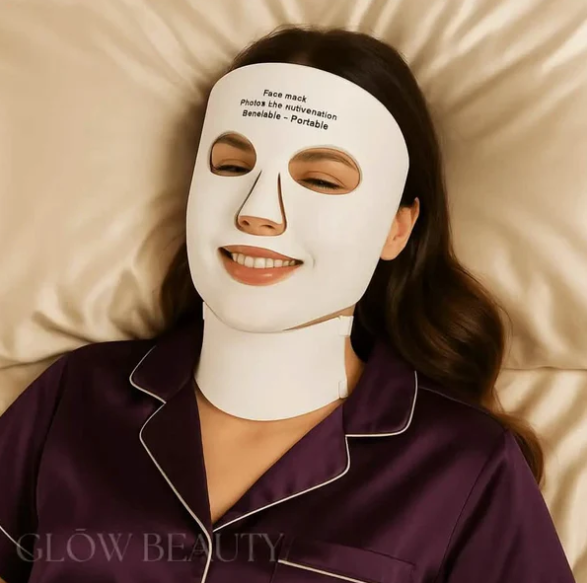
In recent years, LED light therapy has become one of the most sought-after innovations in skincare. This non-invasive technology uses specific wavelengths of light to target various skin concerns, including aging, acne, and hyperpigmentation. Incorporating a face LED mask into your routine can help stimulate collagen production, reduce inflammation, and improve overall skin texture.
Unlike traditional treatments, LED masks are convenient for home use and offer consistent results with regular application. They provide a professional-level therapy experience without the discomfort or downtime associated with clinical procedures. Understanding the mechanics, benefits, and best practices of LED light therapy is essential for achieving optimal results.
How LED Light Therapy Works
LED (Light Emitting Diode) therapy involves using different wavelengths of light to penetrate the skin at varying depths. Each color targets specific skin concerns:
- Red Light (620–750 nm): Penetrates deep into the dermis to stimulate collagen and elastin production. It helps reduce fine lines, wrinkles, and promotes a youthful complexion.
- Blue Light (405–470 nm): Targets the surface of the skin to eliminate acne-causing bacteria, reduce inflammation, and prevent breakouts.
- Green Light (520–560 nm): Helps with hyperpigmentation, sunspots, and uneven skin tone by regulating melanin production.
- Yellow Light (570–590 nm): Reduces redness, improves circulation, and promotes lymphatic drainage.
By combining these wavelengths, a face LED mask can address multiple skin concerns simultaneously, making it a versatile addition to your skincare routine.
Key Benefits of a Face LED Mask
1. Anti-Aging Effects
Red light therapy is particularly effective in combating signs of aging. Regular sessions with a face LED mask stimulate collagen production, which strengthens the skin’s structure, smooths fine lines, and improves elasticity. Users often notice a more radiant and plump complexion within weeks of consistent use.
2. Acne Treatment and Prevention
Blue light therapy targets the bacteria that contribute to acne, reducing breakouts and inflammation. Using a face LED mask regularly can help manage acne-prone skin while also preventing new blemishes from forming. This makes it an excellent option for both teenagers and adults struggling with persistent acne.
3. Improved Skin Tone and Texture
Green and yellow light therapies help balance pigmentation, minimize redness, and even out skin tone. They also promote circulation, which nourishes the skin cells and supports a natural glow. Over time, this leads to smoother, healthier-looking skin with reduced visible imperfections.
4. Non-Invasive and Safe
One of the biggest advantages of LED masks is that they are completely non-invasive. Unlike chemical peels or laser treatments, there is no downtime or recovery period. The therapy is painless, safe for most skin types, and can be easily incorporated into a daily or weekly skincare routine.
How to Use a Face LED Mask Effectively
To maximize the benefits of LED light therapy, it’s important to follow proper usage guidelines:
- Cleanse Your Skin First: Ensure your face is free from makeup, oils, and dirt to allow light to penetrate effectively.
- Follow Recommended Duration: Most masks require 10–20 minutes per session. Overuse does not increase effectiveness.
- Consistent Routine: For best results, use the mask 3–5 times per week initially, then maintain with regular sessions.
- Adjust Wavelengths Based on Skin Concerns: Many masks offer multiple light settings. Select the appropriate wavelength for your specific needs.
- Hydrate and Moisturize: After treatment, applying a gentle moisturizer helps lock in hydration and supports skin healing.
Choosing the Right LED Mask
When selecting a face LED mask, consider the following factors:
- Light Wavelengths Available: Ensure the mask offers the colors and wavelengths suitable for your skin concerns.
- Comfort and Fit: A well-fitting mask ensures even light distribution and maximizes effectiveness.
- Ease of Use: Look for masks with simple controls, timers, and adjustable straps for convenience.
- Safety Features: Choose masks with built-in timers and eye protection to prevent overexposure.
Investing in a quality mask ensures longevity and consistent performance, making it a worthwhile addition to your skincare arsenal.
Combining LED Therapy with Other Skincare Practices
While LED masks are highly effective on their own, combining them with other practices can enhance results:
- Topical Treatments: Apply serums or creams rich in antioxidants, hyaluronic acid, or peptides after LED sessions to boost absorption.
- Regular Cleansing and Exfoliation: Keeps pores clear and allows light to penetrate more effectively.
- Healthy Lifestyle Choices: Adequate hydration, a balanced diet, and sufficient sleep support overall skin health.
- Sun Protection: LED therapy can complement your routine, but sunscreen remains essential to protect your skin from UV damage.
Conclusion
A face LED mask offers a modern, non-invasive approach to skincare, combining technology and science for visible results. By addressing concerns like aging, acne, and uneven skin tone, it provides a safe and effective solution for those looking to improve their complexion from the comfort of home. With consistent use and proper technique, users can enjoy smoother, healthier, and more radiant skin.
Incorporating this technology into your routine can revolutionize your approach to skincare, offering long-term benefits without the need for invasive procedures or expensive treatments.
FAQs
1. How often should I use a face LED mask?
For best results, start with 3–5 sessions per week, each lasting 10–20 minutes. Once your skin shows improvement, reduce to maintenance sessions 1–2 times per week. Overuse does not increase effectiveness and may cause skin sensitivity.
2. Can LED light therapy help with acne scars?
Yes, red and blue light therapies can help improve the appearance of acne scars over time. Red light stimulates collagen, which supports skin repair, while blue light reduces inflammation and prevents future breakouts.
3. Is LED therapy safe for all skin types?
LED therapy is generally safe for most skin types. However, individuals with photosensitive conditions or on certain medications should consult a dermatologist before use to avoid potential adverse reactions.
4. How soon will I see results from using a face LED mask?
Visible improvements often appear within 4–6 weeks of consistent use. Skin texture, tone, and overall brightness gradually improve with regular sessions. Immediate results are usually subtle.
5. Can I use LED therapy with other skincare treatments?
Absolutely. LED therapy can be combined with topical treatments like serums, moisturizers, and anti-aging creams to enhance results. Avoid using harsh chemical treatments immediately before or after sessions to prevent irritation.
