

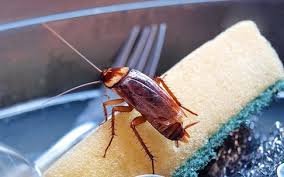
Cockroaches are among the most persistent and unpleasant pests found in homes and commercial buildings. A single cockroach sighting may seem harmless at first, but infestations can grow rapidly if the problem is not addressed quickly. Kitchens, drains, wall cavities, and storage areas often provide the warmth, food, and moisture cockroaches need to thrive.
Many property owners attempt to manage the issue with sprays, traps, or home remedies. While these solutions may appear effective in the short term, severe infestations usually require a more strategic approach. Once cockroaches begin breeding inside hidden areas of a building, eliminating them becomes far more complex.
This is why professional intervention is often necessary. A trained cockroach exterminator can identify the source of the infestation and apply targeted treatments that eliminate the problem at its root.
Why Cockroach Infestations Spread Quickly
One of the biggest challenges with cockroach infestations is how quickly they multiply. Cockroaches are highly adaptable insects that thrive in environments where food, water, and shelter are readily available.
They typically hide in warm, dark areas such as behind refrigerators, inside cupboards, beneath sinks, and within plumbing systems. Cracks in walls, gaps around pipes, and electrical cavities can also provide ideal hiding spots.
Because cockroaches are nocturnal, they usually remain hidden during the day and emerge at night to search for food. As a result, homeowners may not realise how serious the infestation has become until the population has already increased significantly.
In addition, cockroaches can easily travel between rooms through walls, drains, and ventilation systems. In apartment buildings or commercial properties, they may even move between units through shared plumbing systems and structural gaps.
These factors allow infestations to spread quickly throughout a property if they are not addressed early.
Why DIY Methods Often Fail
When people notice cockroaches, their first response is usually to purchase insect sprays or traps from a supermarket or hardware store. While these products may kill individual insects, they rarely solve the larger problem.
Most over-the-counter treatments focus on visible cockroaches rather than the hidden nests where the majority of the population lives. Spraying a cockroach on the kitchen floor may eliminate that individual insect, but it does nothing to address the dozens or even hundreds of cockroaches hiding behind appliances or inside walls.
Another issue is that cockroaches are highly resilient. Some species can develop resistance to certain insecticides over time, making common sprays less effective. Without identifying nesting areas and breeding sites, the infestation simply continues.
DIY treatments also struggle to reach difficult locations such as wall voids, drain systems, or ceiling cavities. These areas often serve as primary breeding zones where cockroach populations grow unnoticed.
As a result, many homeowners experience the same frustrating cycle: cockroaches disappear temporarily after spraying, only to reappear a few days later.
Health Risks Linked to Cockroach Infestations
Beyond being unpleasant to see, cockroaches can pose serious health risks. These pests move through drains, garbage areas, and contaminated surfaces before entering kitchens and food storage spaces.
As they travel, they carry bacteria and pathogens on their bodies. Studies have shown that cockroaches can spread dozens of bacteria, including organisms linked to food poisoning such as Salmonella and E. coli.
When cockroaches crawl across countertops, dishes, or food containers, they can contaminate those surfaces with droppings, saliva, and bacteria. This contamination increases the risk of foodborne illness inside the home.
Cockroaches are also known to trigger allergies and respiratory problems. Their droppings, shed skins, and body fragments contain allergen proteins that can become airborne and affect indoor air quality.
For individuals with asthma or allergies, particularly children, exposure to these allergens can worsen symptoms and lead to breathing difficulties.
Because of these health concerns, severe infestations should never be ignored or treated casually.
How a Professional Cockroach Exterminator Solves the Problem
When infestations become severe, professional pest control services provide the most effective solution. A trained cockroach exterminator approaches the problem using a structured process designed to eliminate the entire colony, not just individual insects.
Inspection and Identification
The first step is a thorough inspection of the property. Pest control professionals examine common hiding areas such as kitchens, drains, storage rooms, and wall cavities. They identify the species of cockroach involved and determine where nests and breeding sites are located.
Understanding the specific species is important because different cockroach species require different treatment strategies.
Targeted Treatment Methods
Once the infestation is mapped out, professionals apply targeted treatments designed to reach hidden colonies. These may include gel baits, residual insecticides, dust treatments inside wall cavities, and monitoring traps placed strategically around the property.
Gel baits are particularly effective because cockroaches carry the bait back to their nesting areas, spreading the treatment throughout the colony. This approach allows pest control technicians to eliminate populations in locations that are otherwise difficult to reach.
Eliminating Nesting Sites
Professional pest control also focuses on identifying conditions that allow cockroaches to thrive. Leaking pipes, food debris, clutter, and structural gaps are all factors that attract these pests.
By addressing these conditions, cockroach pest control helps reduce the risk of the infestation returning after treatment.
Monitoring and Follow-Up
Severe infestations often require more than one treatment. Professional pest control programs typically include follow-up visits to monitor activity and ensure that the infestation has been eliminated.
This ongoing monitoring is essential for long-term control.
Why Professional Treatment Provides Long-Term Control
Unlike DIY solutions that provide temporary relief, professional pest control focuses on long-term prevention.
Experienced technicians understand cockroach behaviour and know where these pests hide, breed, and travel inside a building. By targeting those areas directly, professional treatments eliminate the root of the infestation rather than just the symptoms.
Professional pest control programs also include guidance on preventing future infestations. Simple changes such as sealing entry points, managing moisture, and improving sanitation can significantly reduce the likelihood of cockroaches returning.
For homes, restaurants, offices, and commercial spaces, this proactive approach provides lasting protection.
Conclusion
Cockroach infestations can escalate quickly if they are not addressed properly. These pests reproduce rapidly, hide in difficult-to-reach areas, and contaminate food and living spaces as they move through a property.
While sprays and traps may provide temporary relief, they rarely eliminate the hidden nests responsible for severe infestations. Without identifying and treating those nesting areas, cockroaches will continue to return.
Professional treatment offers a more effective solution. A trained pest exterminator can locate breeding sites, apply targeted treatments, and implement strategies that eliminate the infestation at its source.
For severe cockroach problems, professional help ensures long-term control and helps protect the health and comfort of everyone inside the property.
FAQs
1. When should I call a cockroach exterminator?
If you notice frequent cockroach sightings, particularly during the daytime, it often indicates a large infestation. At this stage, contacting a cockroach exterminator is usually the most effective solution.
2. Are cockroach infestations dangerous?
Yes. Cockroaches can spread bacteria, contaminate food, and trigger allergies or asthma due to allergens found in their droppings and body fragments.
3. Why do cockroaches keep returning after spraying?
Most sprays only kill visible cockroaches. Hidden nests inside walls, drains, or appliances remain untouched, allowing the infestation to continue.
4. How long does professional cockroach treatment take?
Treatment time varies depending on the severity of the infestation. Many cases require multiple visits to fully eliminate the colony and prevent reinfestation.
Read More:Resolution Sugarylove net Conflict
